Why Every Woman Over 35 Should Be Lifting Weights.
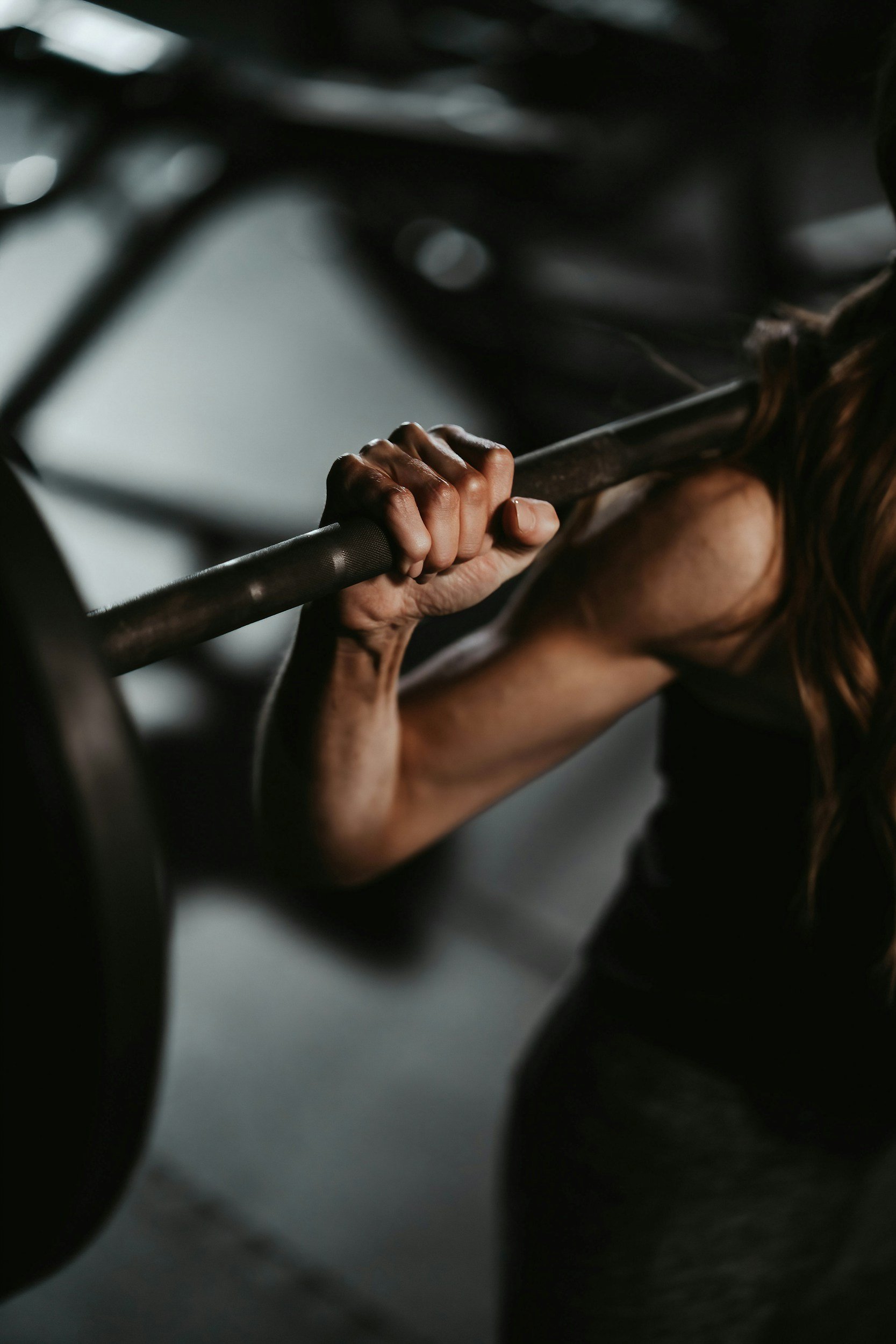
NOT SURE WHERE TO START?
Here’s a Basic Program-
*2–3 times a week, a rest day between
Goblet or Back Squat -
3–5 sets x 5–8 reps
Deadlift or Trap-Bar Deadlift -
3–5 sets x 5 reps
Overhead or Dumbbell Press -
3 sets x 6–8 reps
Row or Lat Pulldown -
3 sets x 8–10 reps
Farmer's Carry -
3 sets x 30–40 m
Back Extension or Bird Dog -
2 -3 sets x 10 reps
Fitness trends come and go. However, there is one fitness “gold standard” I will never abandon. It’s not a trend. It’s not the sexiest thing to do. It’s not a new invention.
If you are a woman over 35, STRENGTH TRAINING is one of the best things you can do for your bones, whether or not you take a GLP-1 medication like Ozempic. Once again we are in a time where more attention is given to being smaller, lighter and younger looking. But let’s not miss the forest for the trees. Bone loss speeds up sharply around menopause no matter what.
Plus, people are losing weight thanks to GLP-1. Yet GLP-1 weight loss can add extra pressure on bone and muscle. Regardless of GLP-1 or not, the research points to the same answer: Load your skeleton with progressively heavier weights.
Why Bone Loss Speeds Up After 35
The fastest bone loss of a woman's life happens around menopause, at roughly 2% a year at the spine and 1% a year at the hip. I don’t know about you but it seems best to avoid it or at least reduce it’s rate of progression.
The Study of Women's Health Across the Nation (SWAN) tracked nearly 2,000 women through the menopause transition. It found that bone loss accelerated sharply in late perimenopause and continued into early postmenopause, at 1.8–2.3% a year at the lumbar spine and 1.0–1.4% a year at the hip. Over five years, that adds up to about a 7–10% drop at the spine and a 5–7% drop at the hip for the average woman. Researchers linked a loss of that size to a 50–100% higher fracture rate.
What Stands Out To Me:
The study found that bone loss accelerated sharply in late perimenopause, which means bone loss starts before your last period, often in your 40s. My wish for all pre-perimenopause women is to not wait. Building strength in your late 30s and early 40s means you enter the perimenopause window with more muscle and bone in reserve.
I encourage my friends and clients to add weight training to their weekly workout plan. Heavy, progressive strength training improves bone density in women after menopause. Additionally, it is safe even for women who already have low bone mass.
I have literally been saying this for years:
Light weights and high reps are not enough to signal bone to grow.
How To Start:
Not to worry…you can still go to pilates and play pickle ball. But please aim for full-body strength training two to three times a week, building toward heavy loads. Starting with twice per week is totally fine. Try your best to be consistent over several months.
Fact: The research points to roughly 70% or more of your 1-rep max, three sessions a week, kept up for a year or longer.
Important Guidelines:
1. Get a baseline. Ask your doctor about a DXA scan, especially if you are perimenopausal, have risk factors, or are starting a GLP-1.
2. Learn the patterns first. Spend the first four to eight weeks on form with lighter weights: squat, hinge (deadlift), push, pull, carry. If possible working with a trainer can be helpful.
3. Progress the load. Once form is solid, add weight gradually until sets of about 5–8 reps feel hard but clean. Using a mirror or taking videos with your phone can help you check your form.
4. Add impact if cleared. Jumps, step-downs or hops add a different bone signal. *Skip this if you have osteoporosis with spine fractures.
5. Train balance and your back. Single-leg work and back-extension exercises reduce fall risk and support posture. I actually program this into all my clients’ programs, regardless of age/gender.
6. Stay consistent. Bone changes slowly. Most trials ran 8–12 months before measuring results.